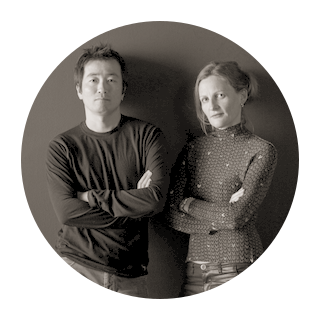
大垣美穂子
Mihoko Ogaki展示会場Venue
1973年富山県生まれ。アーティスト。茨城県在住。愛知県立芸術大学卒業後、1996年よりドイツ国立デュッセルドルフ・クンストアカデミーに留学。16年間にわたりドイツで活動したのち2010年に帰国。人体と宇宙をめぐる壮大なインスタレーションを国内外で展開。主な展覧会に「Milky Way–before the beginning–after the end 2021」(原爆の図丸木美術館、2021年)、「THE BODY—身体の宇宙—」(町田市立国際版画美術館、2019年)、「project N 54 大垣美穂子」(東京オペラシティアートギャラリー、2013年)など。
Born in Toyama Prefecture in 1973. Artist. Lives and works in Ibaraki Prefecture. After graduating from Aichi Prefectural University of the Arts, Ogaki studied at the Kunstakademie Düsseldorf in Germany. Following sixteen years of practice in Germany, she returned to Japan in 2010. She has developed large-scale installations exploring the human body and the cosmos both in Japan and internationally. Her major exhibitions include Milky Way–before the beginning–after the end 2021 (Maruki Gallery for the Hiroshima Panel, 2021), The Human Body as a Microcosmos: Art, Anatomy and Astrology (Machida City Museum of Graphic Arts, 2019) and Mihoko Ogaki: Project N 54 (Tokyo Opera City Art Gallery, 2013).
展示作品
《Milky Way―Breath12》
2026年
FRP、LED、調光機、木
62 × 60 × 38 cm
《Milky Way―Breath13》
2026年
FRP、LED、調光機、木
90 × 26 × 56 cm
老いや死へ向かう身体を主題とする立体インスタレーション。大垣美穂子の制作には、一貫して「人体と宇宙」の結びつきというテーマが流れている。本作「Milky Way」シリーズでは、暗闇のなかに無数の光を放つ人体が浮かび上がる。光の粒は内なる感情の象徴であると同時に、私たちの身体がかつて星の破片であったことを想起させる。近年、介助の仕事に携わる大垣にとって、老いや死へ向かう身体は日常のなかにある。制作の過程で生じる造形の歪みを、あえて「老いた身体特有の歪み」としてそのまま引き受けるなど、実生活での体験を通じて、初期から抱えてきた「宇宙的な存在としての人体」という視点は、より切実な眼差しへと変化していった。穴から溢れ出す光は肉体の輪郭をほどき、空間全体へと拡散していく。それは個の終焉としてではなく、肉体が光となって宇宙という壮大な循環へ、静かに還っていく世界として立ち現れる。
Milky Way―Breath12, 2026
FRP, LED, dimmer, wood
62 × 60 × 38 cm
Milky Way―Breath13, 2026
FRP, LED, dimmer, wood
90 × 26 × 56 cm
A three-dimensional installation on the theme of the body’s passage toward aging and death. Mihoko Ogaki’s practice has consistently been threaded through with the theme of the connection between the human body and the cosmos. In this work from her Milky Way series, a human body emerges from darkness, alight with countless points of light. These points of light stand as symbols for the emotions concealed within us, while also recalling that our bodies were themselves once fragments of stars. In recent years, working in elder care, Ogaki has come to live daily alongside bodies moving toward aging and death. Through her practice, she has come to accept the distortions that arise in the modeling process as distortions particular to an aged body itself—and through this lived experience, the perspective she has held since the earliest stages of her work, approaching the human body as a cosmic presence, has grown into a more urgent and searching gaze. Light spills forth through countless perforations, dissolving the contours of the physical form as it diffuses into the surrounding space. Rather than depicting the end of an individual life, the work envisions a world in which the body dissolves into light, quietly returning to the great circulation of the cosmos.