Photo by Art Collectors’
佐藤雅晴
Masaharu Sato展示会場Venue
佐藤雅晴(1973–2019)は大分県出身のアーティスト。東京藝術大学美術学部油画専攻を卒業後、大学院修士課程を修了し、ドイツ・デュッセルドルフ国立クンストアカデミーに在籍しました。帰国後は国内外で精力的に作品を発表し、2009年には「第12回岡本太郎現代芸術賞」特別賞を受賞。代表作に《Calling》《ダテマキ》《東京尾行》などがある。日常風景をビデオ撮影した映像をパソコン上でペンツールによりトレースし、ロトスコープ技法を用いて映像作品を制作してきました。現実と非現実が交錯する独自の世界観は高く評価されている。病と闘いながらも制作を続け、国内の展覧会に多数参加するなか、2019年3月9日に逝去しました。
Masaharu Sato (1973–2019) was an artist from Oita Prefecture. After graduating from the oil painting program at Tokyo University of the Arts and completing a master’s degree, he studied at the Kunstakademie Düsseldorf in Germany. After returning to Japan, he exhibited actively both in Japan and abroad, and in 2009 he received a Special Prize at the 12th Taro Okamoto Award for Contemporary Art. His major works include Calling, Datemaki, and Tokyo Trace. Using rotoscoping, he created video works by tracing footage of everyday scenes, which he had filmed himself, with a pen tool on a computer. His distinctive vision, in which the real and the unreal intersect, has been highly acclaimed. He continued to make work while battling illness, taking part in numerous exhibitions in Japan, until his death on March 9, 2019.
展示作品
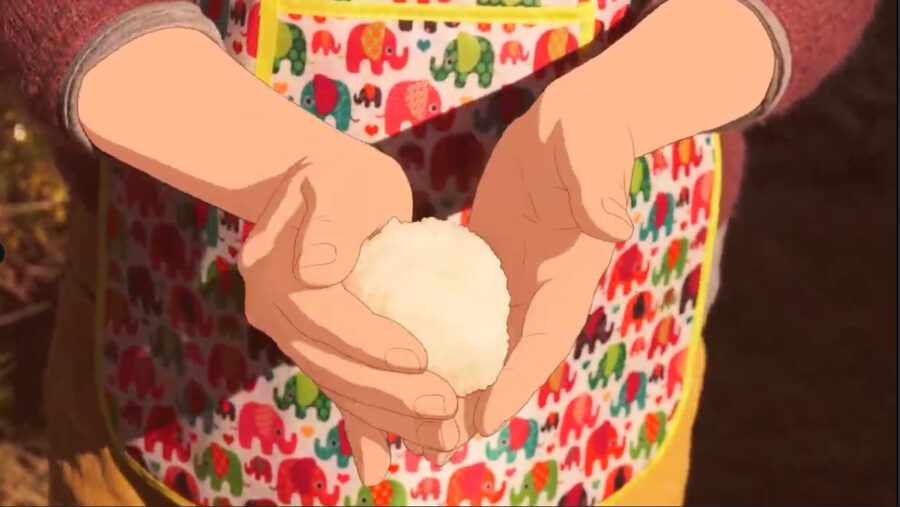
出品作の《ハンズ》(平成28–29 / 2016–2017年)は、猫をなでる手、入れ歯を洗う手、音楽を奏でる手、神に祈る手など、人々が世界と関係を結ぶために用いるさまざまな「手」の行為を撮影しトレースしてアーカイブされた、「手」の映像作品である。トレースは対象を「自分の中に取り込む」行為と語った作家の手もまた、映像の中で永遠にアーカイブされ続ける。
The exhibited work Hands (2016–2017) is a video piece that archives various actions of “hands” used by people to interact with the world, such as hands petting a cat, cleaning dentures, playing music, and praying to God. The artist described the act of tracing as “incorporating the subject into oneself,” and the artist’s own hands are eternally archived in the video.
《ダテマキ》は、福島県いわき市にある老舗蒲鉾製造会社が、東日本大地震で発生した大津波の被害から、全従業員が一丸となって取り組んだことにより復活、その工場でオートメーション化された機械が伊達巻を製造する様子を取材し、制作されました。
2013年4月から2014年3月に、7人の作家を紹介したgallery α Mの『楽園創造(パラダイス) — 芸術と日常の新地平 —』の5人目の作家として佐藤が選ばれ、《ダテマキ》を発表しました。この展覧会のパンフレットの中に、佐藤は以下の文章を記しています。
歴史上最初の映画とされるリュミエール兄弟による「工場の出口」は、従業員たちがある工場の出入り口から、わらわらと出てくる様子をただ撮影した、あるなんの変哲もない日常の光景が記録されたものだけれども、よく見ると、工場から出てくる人々の中にはカメラに向かって微笑む人がいる。観る側と観られる側の交差する世界。つまり、そこにはフィクショナルなドキュメンタリーが展開されている。
今回、α Mで発表された「ダテマキ」は、アニメーションという虚構の世界に〈記録する〉ことを意識的に取り入れた。
そして、フィクションとドキュメンタリーを回転させると、ナニかがひょこっと顔を出しはじめた。
Datemaki was created after Sato visited a long-established kamaboko (fish cake) manufacturer in Iwaki, Fukushima Prefecture. The company had suffered severe damage from the tsunami triggered by the Great East Japan Earthquake, and was revived through the united efforts of all its employees. Sato documented the automated machines at its factory as they produced datemaki, a sweet rolled omelet made with fish paste.
From April 2013 to March 2014, gallery α M presented Paradise Creation: New Horizons of Art and Everyday Life, an exhibition series introducing seven artists. Sato was selected as the fifth artist in the series and presented Datemaki. In the exhibition pamphlet, he wrote the following:
Workers Leaving the Lumière Factory by the Lumière brothers, regarded as the first film in history, simply records an utterly ordinary scene of daily life: employees streaming out through the gates of a factory. Yet if you look closely, some of the people leaving the factory are smiling at the camera. It is a world where the one who watches and the one who is watched intersect. In other words, what unfolds there is a fictional documentary.
With Datemaki, presented this time at α M, I consciously brought the act of “recording” into the fictional world of animation.
And when I set fiction and documentary rotating, a certain something began to pop its head out.