井村一登
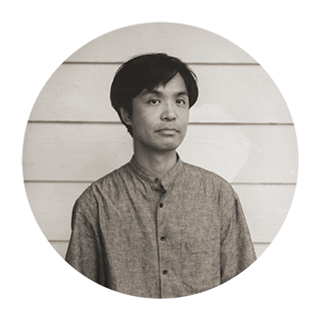
Kazuto Imura平成2(1990)年生まれ。平成29(2017)年、東京藝術大学大学院美術研究科先端芸術表現専攻修了。
光学機器や映らない鏡、魔鏡、黒曜石、回転液体鏡など、素材や技法を横断し、現代の科学・工業史から神話や祭祀まで、人と鏡の関係性の変遷を追う。近年は「ナルキッソスの救済」をテーマに、自己愛、自家受粉、単為生殖をめぐる制作を行う。
主な展示にcommission work(Kanda & Oliveira/2024年)、国際芸術祭「あいち」地域展開事業「底に触れる 現代美術 in 瀬戸」(瀬戸市/2024年)、Sense Island – 感覚の島 – 暗闇の美術島 2021(猿島/2022年)。
Born in 1990. Completed graduate studies in Inter-Media Art at the Graduate School of Fine Arts, Tokyo University of the Arts, in 2017.
Working across optical instruments, non-reflective mirrors, magic mirrors, obsidian, and rotating liquid mirrors, Imura traces the evolving relationship between humans and mirrors—spanning contemporary science and industrial history to myth and ritual. His recent work explores the theme of “Narcissus’s Redemption,” examining self-love, self-pollination, and parthenogenesis.
Selected exhibitions include a commission work (Kanda & Oliveira, 2024); “Touching the Depths: Contemporary Art in Seto,” part of the Aichi Triennale’s regional development program (Seto City, 2024); and Sense Island – Island of the Senses – Art Island in the Dark 2021 (Sarushima, 2022).
展示作品
《bulbocodium》
2025年
H2130 × W2547 × D2547 mm
PP、LIMEX、小型カメラ、プロジェクター
コラボレーター:Extra Bold
本作は、ミケランジェロ・メリージ・ダ・カラヴァッジョの《ナルキッソス》およびギリシャ神話のナルキッソスをモチーフとする。ナルキッソスは、水面に映る自らの姿に恋をし、やがて命を落とし、水仙となったとされる神話である。本作はその物語の悲劇性ではなく、「自分を愛する」という行為を肯定する視点から再解釈を試みるものだ。
作品を囲うドームの形状は、ナルキッソス・バルボコディウムという水仙を参照している。これは水仙の中でも自家受粉を行う品種である。自己愛(ソロガミー)を自家受粉(オートガミー)という構造で包み込み、個のなかで完結する愛の形を提示し、ナルキッソスを祝福する。
そしてナルキッソスが自らに向けた視線は鑑賞者にも投げ返され、彼の主観と外部からの客観が交差する。ナルキッソス、水仙、鑑賞者という複数の個が作品を通じて重なり合うことで、自己愛の完結を多層的に反復させ、そこに別の物語を立ち上げる可能性を目指した。
bulbocodium, 2025
PP, LIMEX, compact camera, projector
213.0 × 254.7 × 254.7 cm
Collaborator: Extra Bold
This work takes as its motif Michelangelo Merisi da Caravaggio’s Narcissus and the figure of Narcissus from Greek mythology. According to the myth, Narcissus fell in love with his own reflection on the surface of the water, eventually died, and was transformed into the narcissus flower. Rather than the tragedy of this story, the work seeks to reinterpret it from a perspective that affirms the act of loving oneself.
The shape of the dome enclosing the work refers to Narcissus bulbocodium, a species of narcissus that self-pollinates. By enfolding self-love (sologamy) within the structure of self-pollination (autogamy), the work presents a form of love that is complete within the individual, and celebrates Narcissus.
The gaze that Narcissus turned upon himself is cast back toward the viewer, where his subjective view intersects with an objective view from outside. As multiple individuals—Narcissus, the narcissus flower, and the viewer—overlap through the work, the completion of self-love is repeated on multiple levels, aiming toward the possibility of another story emerging there.