Photo: Johnny Le
マイケル・リキオ・ミング・ヒー・ホー
Michael Rikio Ming Hee Ho展示会場Venue
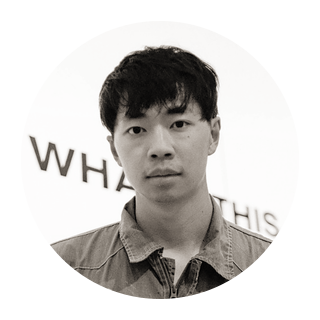
Michael Rikio Ming Hee Ho(1996年、ハワイ州カムエラ生まれ)は、東京を拠点に活動する日系・広東系アメリカ人のコンセプチュアル・テキストアーティスト。UCLA美術学部卒。言語を主たる素材とし、短い詩的なフレーズをトロンプ・ルイユやシェイプド・キャンバスと組み合わせることで、読むことと見ることの境界を揺さぶる。記号論や社会言語学を背景に、文化的帰属、ディアスポラ、記憶、現代の不安や自己認識を、ユーモアと親密さを通して考察している。
Michael Rikio Ming Hee Ho (b. 1996, Kamuela, Hawaiʻi) is a Japanese and Cantonese American conceptual text-based artist based in Tokyo. He studied art at UCLA. Working primarily with language, Ho combines short poetic phrases with illusion and shaped canvases, challenging the boundaries between reading and seeing.
Informed by semiotics and sociolinguistics, his practice explores cultural belonging, diaspora, memory, contemporary anxieties, and self-perception through humor and intimacy.
展示作品
YOU MAY FEEL ALONE
《2023》
Drywall, acrylics on wooden panel with NFT
Overall: 170.0 × 255.0 cm (Triptych)
Each panel: 170.0 × 85.0 cm
TIME TO SHINE
《2023》
Drywall, acrylics on wooden panel with NFT
Overall: 170.0 × 255.0 cm (Triptych)
Each panel: 170.0 × 85.0 cm
I DON’T WANT TO GO
《2023》
Drywall, acrylics on wooden panel with NFT
Overall: 170.0 × 170.0 cm (Diptych)
Each panel: 170.0 × 85.0 cm
EMOTIONALLY UNAVAILABLE
《2023》
Drywall, acrylics on wooden panel with NFT
Overall: 170.0 × 170.0 cm (Diptych)
Each panel: 170.0 × 85.0 cm
A SUNSET WORTH STARING AT
《2023》
Drywall, acrylics on wooden panel with NFT
Overall: 170.0 × 255.0 cm (Triptych)
Each panel: 170.0 × 85.0 cm
これらの作品は、2023年にKOTARO NUKAGAで開催した個展「SOMETHING SO BEAUTIFUL IS SO EASILY FORGIVEN」で、実際の展示壁の一部を切り取り、木製パネルに取り付けたものです。壁には直接言葉を書き、切り取ることで露出した内部構造にも別の言葉を描きました。展覧会終了後、ギャラリーは修復され、内部の作品は再び建築の中へ隠れましたが、切り取られた壁だけが独立した作品として残りました。
私は壁を中立的な背景ではなく、作品を構成する言語の一部として扱っています。壁を切り開くことで、普段は隠れている構造が現れ、絵画、物体、建築の境界が揺らぎます。傷や切断面、継ぎ目は、言葉が存在していた場所の記憶を保持します。新たな建築空間で再展示されることで、ある建築の断片が別の建築の中に入り、背景だったものが物体となり、恒久的に見えたものの一時性が浮かび上がります。
These works were created for my 2023 solo exhibition SOMETHING SO BEAUTIFUL IS SO EASILY FORGIVEN at KOTARO NUKAGA by cutting sections directly from the gallery walls and mounting them onto wooden panels. I wrote text directly onto the walls, and after cutting into them, I also painted additional phrases onto the newly exposed internal structure. When the exhibition ended, the gallery was repaired and those interior works disappeared back into the architecture, while the removed sections of wall remained as independent artworks.
I treat the wall not as a neutral background, but as part of the language that constitutes the work itself. Cutting into it reveals the structure that is normally hidden and unsettles the boundaries between painting, object, and architecture. The scratches, cut edges, and seams retain the memory of the place where the language once existed. When the works are shown again within a new architectural setting, a fragment of one building enters another. What was once background becomes an object, and what appeared permanent reveals its temporary nature.