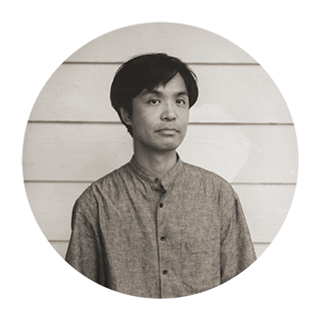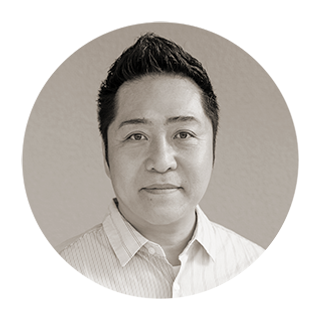
鈴木崇
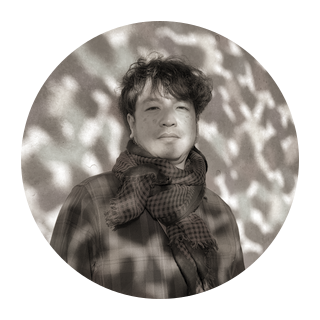
Takashi Suzuki京都府出身。1996年、アメリカのThe Art Institute of Boston写真学科卒業。2001~02年、ドイツのデュッセルドルフ芸術アカデミーにてThomas Ruffクラスの研究生の傍ら、Thomas Struthのアシスタントを務めた。
写真のイメージを介し、視覚と知覚のズレや変化、さらには写真メディアそのものへの考察などをテーマに、作品を国内外で発表。
主な展覧会に、「BUTSUDORI」(滋賀県立美術館、2025)、「浅間国際フォトフェスティバル」(長野、2023/2019)、「東アジア文化都市全州・現代美術交流展」(韓国、2023)、「これからの写真」(愛知県美術館、2014)、「写真の現在3」(東京国立近代美術館、2006)など。
Originally from Kyoto, Japan, Takashi Suzuki graduated from the Photography Department of The Art Institute of Boston in 1996. From 2001 to 2002, he studied as a research student in Thomas Ruff’s class at Kunstakademie Düsseldorf, while also working as an assistant to Thomas Struth in Germany.
Exploring the relationship between vision and perception, cognitive discrepancies, and reflections on photography itself through the photographic medium, he has exhibited his work worldwide.
Major exhibitions include: BUTSUDORI (Shiga Museum of Art, Shiga, 2025), Photo MIYOTA (Miyota Museum of Photography, Nagano, 2023/2019), East Asia Cultural City Jeonju Contemporary Art Exchange Exhibition (Korea, 2023), Photography Will Be (Aichi Prefectural Museum of Art, 2014), and Photography Today 3: Resolution/Dissolution (The National Museum of Modern Art, Tokyo, 2006).
展示作品
展示している作品「BAU」は、ドイツ語で建物や構造などを意味しています。一見すると、これらの作品は何か意図を持って造形されたかのように感じるかもしれませんが、実際は日用品のスポンジを即興的に組み立てただけのものです。
この作品の核となるテーマは、「見知るとはどういうことか」という問いです。見知ったものが未知のカタチへと変容し、それが別の新しい意味を帯び、見ているものとは違うことを想起させる。その意味でこの作品は、私たちが無意識的に信じている視覚と知覚の境界線、そして認識のズレや変化を浮かび上がらせる装置と言えます。
作品を見てこうだろうと思った感覚は見る人それぞれで違うものだと思います。あなたが見て感じたイメージが展示会場となった建築物とどのように響き合うのか。それぞれの感じ方を持ち帰っていただければ幸いです。
“BAU,” the title of this work, means “building” or “structure” in German. At first glance, these pieces may seem intentionally designed or structured. In reality, however, they are simply daily-use sponges assembled through improvisation.
The core theme of this work is the question: “What does it mean to know something?” When a familiar object transforms into an unknown shape, it takes on a completely new meaning, evoking something entirely different from what is actually before our eyes. In this sense, the work functions as a device that brings to light the boundary between sight and perception that we unconsciously trust, as well as the gaps and shifts in our cognitive awareness.
The images we perceive here are bound to differ for each individual. Perhaps you might find your own unique impressions gently resonating with the architecture of this exhibition space—transforming how you perceive the world as you step back into reality.