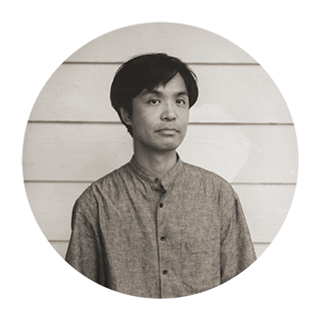
本城直季
Naoki Honjo展示会場Venue
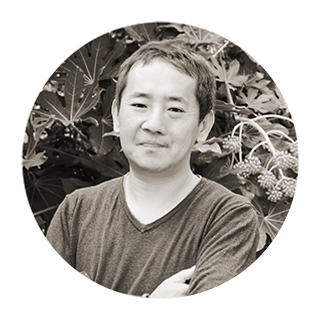
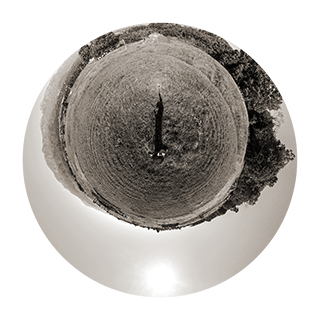
1978年、東京都生まれ。東京工芸大学芸術学部写真学科卒業後、同大学大学院メディアアート専攻修了。蛇腹の付いた大盤フィルムカメラを利用し、独特の手法で風景をジオラマのように撮影する。現実の都市や自然の中にある人工物や人間までもがミニチュア化され、別世界に誘われたかのような不思議な感覚に陥る。2006年、写真集『small planet』で木村伊兵衛写真賞を受賞。以降、都市景観や人々の日常、自然風景を独特の視覚効果で捉え、現実と虚構の境界を探る。
主な個展に、「(un)real utopia」(東京都写真美術館、2022)など。パブリックコレクションにメトロポリタン美術館、ヒューストン美術館、東京都写真美術館など。
Born in 1978 in Tokyo. After graduating from the Department of Photography in the Faculty of Arts at Tokyo Polytechnic University, he completed the master’s program in media art at the same university. Using a large-format bellows film camera and a distinctive technique, he photographs landscapes so that they look like dioramas. Human-made structures in real cities and natural settings, and even people themselves, appear miniaturized, giving viewers the strange sensation of having been drawn into another world. In 2006, he received the Kimura Ihei Award for his photobook small planet. Since then, he has captured urban landscapes, people’s everyday lives, and natural scenery through distinctive visual effects, exploring the boundary between reality and fiction.
Major solo exhibitions include “(un)real utopia” (Tokyo Photographic Art Museum, 2022). His work is held in public collections including the Metropolitan Museum of Art, the Museum of Fine Arts, Houston, and the Tokyo Photographic Art Museum.
展示作品
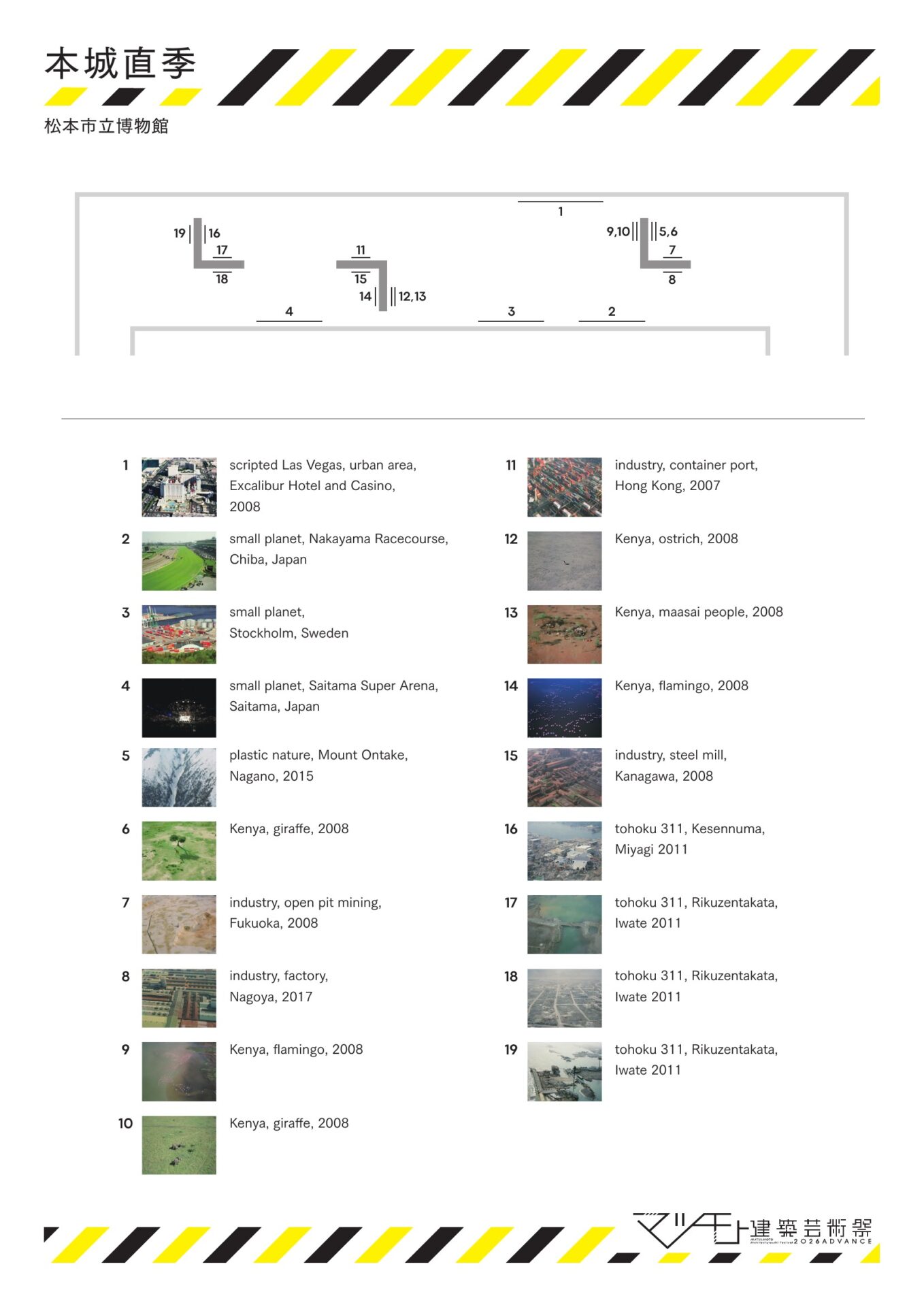
人間の営みによって形づくられた風景や、自然の中に残された人の痕跡。
巨大な産業施設、山々を覆う木々の造形、アフリカの大地に生きる動物たち、そして震災によって大きく姿を変えた東北の風景。
どこか非現実的で、別の世界のようにも感じられる。しかし、それらは紛れもなく、カメラによって捉えられた、私たちが暮らすこの地球の現実の姿である。
人間がつくり出した構造物は、時に架空の世界のように映る。一方で、自然がつくり出す造形にも、何かの意志によって形づくられたかのような不思議な美しさを感じる。
それぞれ異なる場所で出会った風景。一見すると、何のつながりもないように見える。
そこには人間の営みがあり、生命の存在があり、自然の力があり、長い時間の積み重なりがある。
それらは、たぶん互いに関わり合いながら。
Landscapes shaped by human activity, and traces of people left in nature.
Vast industrial facilities, the forms of trees blanketing mountains, animals living on the land of Africa, and the landscapes of Tohoku, transformed by the earthquake disaster.
They feel somehow unreal, like another world. Yet they are, without question, the reality of the Earth on which we live, captured by a camera.
Structures made by humans sometimes appear like an imaginary world. At the same time, I also sense a strange beauty in the forms made by nature, as though they had been shaped by some kind of will.
Landscapes encountered in different places. At first glance, they seem to have no connection at all.
There, one finds human activity, the presence of life, the force of nature, and the layering of long stretches of time.
All of these, perhaps, in relation to one another.
ハンドアウト