
旧浅間温泉芸苑組合(田辺薬品2階)
Former Asama Onsen Geien Association (Second Floor of Tanabe Pharmacy)展示アーティストArtist
松本市浅間温泉3丁目3-9
開館時間 10:00–17:00
休館日 会期中無休
建物について
建築年 昭和43(1968)年
設計者 不明
施工者 不明
浅間温泉には、昭和の初めに、芸妓が約100人、置屋(※1)が約20軒あったという。芸妓の稽古場として、道路向かいの共同浴場「睦の湯」の2階にあった広間が使われていたが、手狭になり、この建物が建てられた。当時は置屋組合であったが、新築にあたり、融資を受けるため、法人格を持つ芸苑協同組合が発足した。ここは、芸妓の稽古場と事務所の役割を持つ検番(※2)であり、周辺の旅館やホテルからの依頼を電話で受けて芸妓を派遣し、玉代(※3)の精算を行っていた。
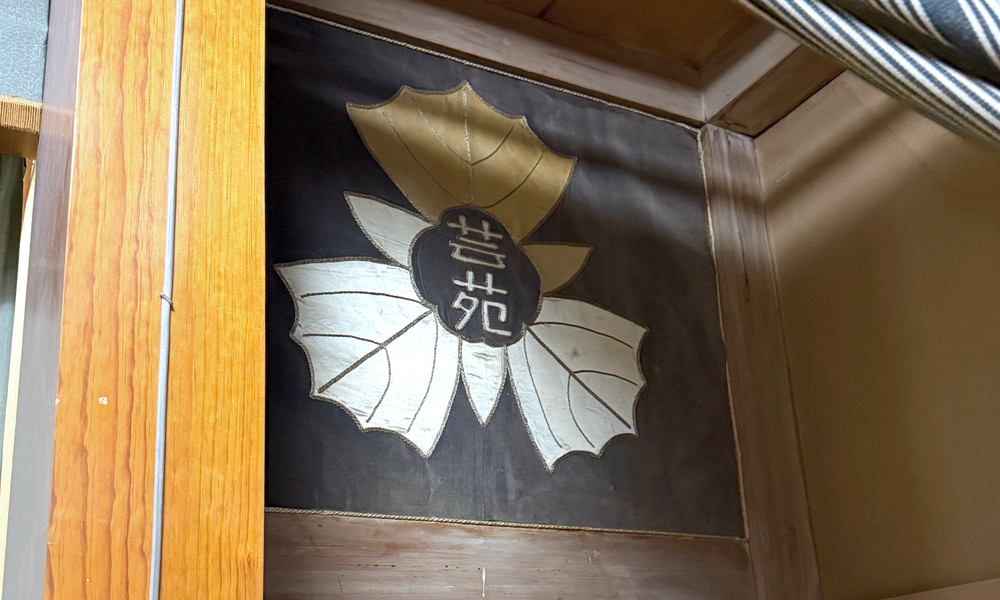
広間は30畳の広さで、稽古のほか、地域住民に向けた発表会なども催された。舞台は奥行きが深く、奥に楽器を演奏する人が座り、その前で踊りを踊った。ほかに楽屋もあり、緞帳には芸苑組合のマークが縫いつけられており、当時の様子がうかがえる。
「睦の湯」はもともと芸妓衆のための温泉施設で、女風呂が広かった。その脇を入った小路は芸者小路と呼ばれ、かつては置屋が連なり、芸妓の師匠が多く住んでいて、昼間は三味線の稽古の音が響いていたという。西石川旅館に逗留した竹久夢二が、この小路を、なじみの芸妓を探して歩き回っていたという逸話も残る。令和8(2026)年5月には、この建物の、かつて師匠の控室などに使われた部屋に、ギャラリー烏兎社(うとや)がオープンした。地元作家の作品を展示販売し、地域の新たな交流の場となっている。
※1 置屋(おきや):芸妓を住み込ませ、旅館などの求めに応じて派遣したり、芸妓の見習いを修行させたりした場所。
※2 検番(けんばん):芸妓の取り次ぎや、料金の精算などを行う事務所。
※3 玉代(ぎょくだい):芸妓を呼んだときの料金。
Former Asama Onsen Geien Association (Second Floor of Tanabe Pharmacy)
3-3-9 Asama Onsen, Matsumoto, Nagano
Artist: Kengo Kito
Hours: 10:00–17:00
Closed: None during the festival
About the Building
Year of construction: 1968
Architect: Unknown
Builder: Unknown
In the early Showa period, Asama Onsen is said to have had about 100 geisha and some 20 okiya [1] (geisha houses). A hall on the second floor of the public bath Mutsu-no-yu, across the road, had been used as a practice space for the geisha, but it became too small, and this building was constructed. At the time, the organization was an association of okiya, but upon the construction of the new building, the Geien Cooperative Association, a legal entity, was established in order to obtain financing. This was a kenban [2] (geisha registry office) serving both as a practice hall and as an office for the geisha: it took requests by telephone from nearby inns and hotels, dispatched geisha, and settled the gyokudai [3] (geisha fees).
The hall measures 30 tatami mats and was used not only for practice but also for recitals for local residents. The stage is deep: musicians sat at the back, and dancers performed in front of them. There are also dressing rooms, and the stage curtain is embroidered with the emblem of the Geien Association, offering a glimpse of the period.
Mutsu-no-yu was originally a hot spring facility for geisha, with a spacious women’s bath. The alley that runs off beside it is called Geisha Alley (Geisha-koji); it was once lined with geisha houses and home to many geisha teachers, and the sound of shamisen practice is said to have echoed through it in the daytime. There is also an anecdote that the painter Yumeji Takehisa, staying at the Nishi-Ishikawa inn, would wander this alley in search of a geisha he favored. In May 2026, Gallery Utoya opened in rooms of this building that were once used as waiting rooms for the geisha teachers, among other purposes. It exhibits and sells works by local artists and has become a new place of exchange for the community.
Notes
[1] Okiya: A place where geisha lived in, were dispatched to inns and other venues at their request, and where apprentice geisha were trained.
[2] Kenban: An office that handled bookings for geisha and the settlement of fees.
[3] Gyokudai: The fee for calling a geisha.